Terpenes Explained: What They Are and Why They Matter
Must be 21+. For use where cannabis is legal. Please consume responsibly.
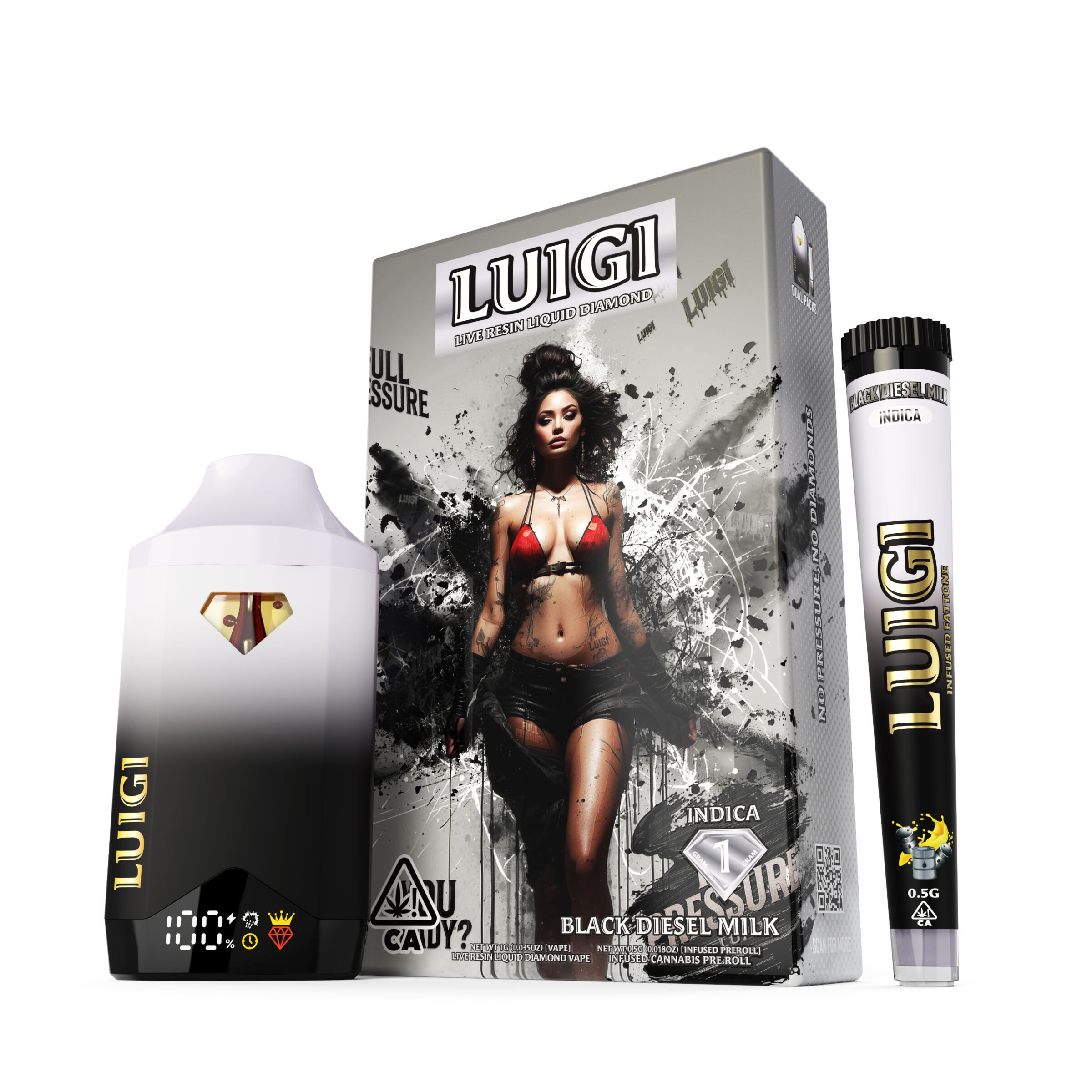 Terpenes get mentioned constantly on cannabis packaging — "high terpene content," "full terpene profile," "preserved terpenes" — but most labels never actually explain what they are or why they're worth paying attention to. Here's a straightforward breakdown.
What Terpenes Actually Are
Terpenes are aromatic compounds produced by plants, and cannabis isn't unique in producing them — they're the same broad category of compound responsible for the smell of pine trees, citrus peels, lavender, and black pepper. In cannabis specifically, terpenes are produced in the same trichomes (the small resin glands on the flower) that produce cannabinoids like THC and CBD.
According to research published in the British Journal of Pharmacology, cannabis plants can produce more than 200 different terpenes, though only a smaller subset typically appears in meaningful concentrations in any given cultivar.
Why Terpenes Matter Beyond Just Smell
Terpenes are the primary reason different cannabis strains smell and taste distinct from each other, even when their cannabinoid content is similar. Two products with nearly identical THC percentages can have completely different sensory experiences purely because of their terpene profile.
Beyond aroma and flavor, researchers have studied whether terpenes interact with cannabinoids in ways that go past simple flavor — a concept often called the "entourage effect." The same British Journal of Pharmacology review notes that terpenoids may modulate or enhance the effects of cannabinoids when present together, though the authors are careful to note that evidence supporting this interaction is still limited and warrants further study. This is an active area of research rather than settled science, so claims about specific terpene-driven effects should be read with that caveat in mind.
The Most Common Cannabis Terpenes
A handful of terpenes show up repeatedly across cannabis cultivars and are worth recognizing by name:
- Myrcene — earthy, musky, sometimes described as similar to cloves; one of the most common terpenes across cannabis cultivars broadly
- Limonene — bright, citrusy aroma, commonly found in lemon and orange peel as well
- Caryophyllene — peppery, spicy; also found in black pepper and cloves
- Linalool — floral, similar to lavender
- Pinene — sharp, fresh, pine-like; found in pine needles and rosemary
- Humulene — woody, earthy; also found in hops, which is part of why some cannabis cultivars share aromatic notes with beer
A single cultivar typically contains a mix of several of these in different ratios, which is what creates its specific aroma signature rather than any one terpene acting alone.
How Extraction Method Affects Terpene Content
Terpenes are volatile compounds, meaning they evaporate easily when exposed to heat or air — which is exactly why production method matters so much for terpene preservation:
- Standard curing and extraction (dried flower, most distillate) loses a meaningful share of original terpenes during the drying and curing process, before extraction even begins.
- Fresh-frozen extraction (live resin, live rosin) skips the drying step entirely, preserving more of the original terpene profile from the live plant.
- Solventless methods (live rosin specifically) avoid any chemical interference during extraction, which is part of why solventless rosin is often described as having the most "true-to-plant" flavor.
For a full breakdown of how these extraction methods actually work, see the Luigi Live Resin Guide.
How to Check Terpene Content on a Product
Terpene content isn't always listed on a product's packaging directly, but it's sometimes included on the Certificate of Analysis (COA) for that specific batch. Not every state requires terpene testing, so its presence on a COA depends on both your state's regulations and whether the brand opted into additional testing.
If a COA includes a terpene panel, you'll typically see individual terpenes listed by percentage, along with a total terpene percentage for the batch.
Terpenes vs. Added Flavoring
One distinction worth understanding clearly: some vape products use terpenes that were reintroduced after extraction rather than preserved from the original plant. This happens most often with distillate, since the high-heat distillation process strips out essentially all original terpenes, leaving producers to add terpenes back in — sometimes cannabis-derived, sometimes botanically derived from other plants — to restore flavor and aroma.
This isn't necessarily a quality problem on its own, but it is a meaningful difference from a product where the terpene profile was preserved from the live plant throughout extraction, which is generally considered a mark of a more "true-to-strain" product. Luigi Oil's Rosin Pens and Series 6 line are both built around preserving terpenes from fresh-frozen flower rather than reintroducing them afterward.
FAQ
What are terpenes in cannabis? Terpenes are aromatic compounds produced in the same trichomes that produce cannabinoids like THC. They're responsible for the distinct smell and flavor of different cannabis cultivars and are also found across many other plants, including citrus, pine, and lavender.
Do terpenes get you high? No. Terpenes are not psychoactive on their own. Research into whether they influence the effects of cannabinoids like THC when consumed together is ongoing, but terpenes themselves don't produce intoxicating effects.
Why do some cannabis products taste stronger than others with similar THC levels? Flavor and aroma intensity come primarily from terpene content, not THC percentage. A product with a higher total terpene percentage will generally have a more pronounced smell and taste, regardless of its THC level.
Are added terpenes the same as natural cannabis terpenes? Chemically, many added terpenes are identical to the ones naturally found in cannabis, since terpenes aren't unique to the plant. The difference is in sourcing and process — added terpenes are reintroduced after extraction strips them out, rather than preserved from the original plant throughout.
Must be 21+ to purchase. Please consume responsibly.